
ARTICLE:
The UK has long been a hub of creative innovation, from the Beatles to Harry Potter, our entertainment has captivated audiences worldwide. But in recent years, a new phenomenon has emerged that could potentially shake up the status quo: esports. This rapidly growing industry has been gaining traction globally, with millions of fans tuning in to watch tournaments and competitions. So, what’s behind the hype?
What is Esports?
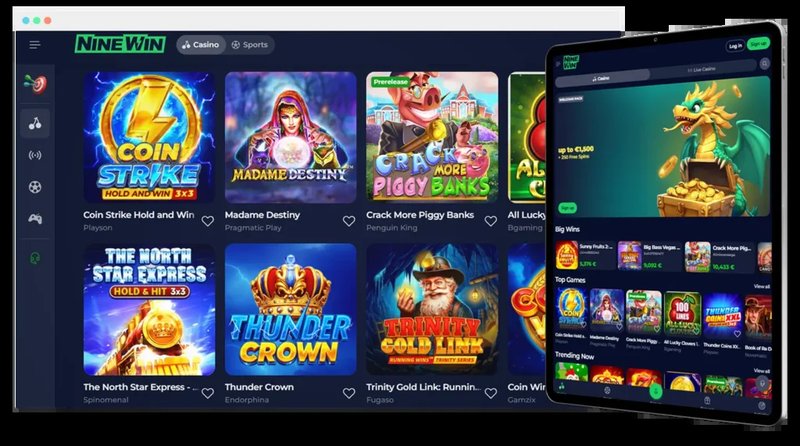
For those who may be new to the scene, esports refers to competitive video gaming at a professional level. It’s not just about playing games for fun; it’s about teams or individuals competing against each other in various video games, with the goal of winning prizes, recognition, and prestige. From League of Legends to Overwatch, the games are as diverse as they are demanding. The competitive nature of esports has also led to the rise of online gaming communities, where players can connect with others who share their passions, much like the social aspect of visiting a casino like Nine win, which offers a unique experience for players.
The Rise of Esports in the UK
The UK has a thriving esports scene, with several prominent teams and organizations calling the country home. Fnatic, Team Liquid, and 100 Thieves are just a few of the big names that have achieved significant success in international competitions. We’ve also seen major esports events like the Insomnia Gaming Festival and the ESL UK Premiership take place on our soil. With this kind of momentum, it’s clear that esports is here to stay.
Why is Esports Gaining Popularity?
So, what’s driving the growth of esports? One key factor is the increasing accessibility of gaming technology. With smartphones and gaming consoles becoming more affordable and widespread, more people than ever are able to access and play video games. This has led to a surge in online gaming communities, where players can connect with others who share their passions. Social media and streaming platforms have also made it easier for gamers to share their experiences and connect with a wider audience.
Can Esports Become Mainstream in the UK?
While esports is still a niche market in the UK, there are signs that it could become more mainstream in the future. Several major UK brands, including Sky and BT, have invested in esports initiatives and partnerships. The UK government has also recognized the potential of esports and has announced plans to support the growth of the industry. However, there are also challenges to overcome, including the need for more regulation and the potential for negative impacts on mental health.
From Gaming to Entertainment
As esports continues to grow in popularity, we can expect to see more crossover with traditional entertainment industries. We may see esports teams partnering with music artists or film studios to create new content. Imagine a world where gaming meets music, film, and other art forms – it’s an exciting prospect. For example, if your gaming PC or console is in need of repair, you might want to consider the services of a professional repair company like Nine Win, which can help you get back in the game quickly.
Conclusion
In conclusion, esports has the potential to become a major player in UK popular culture. With its growing popularity, increasing accessibility, and crossover potential with traditional entertainment industries, esports could be the next big thing in the UK. As the industry continues to evolve, it will be fascinating to see how it develops and what opportunities it presents for fans, players, and businesses alike.
Preguntas frecuentes
What is Esports?
Esports refers to competitive video gaming, where professional players participate in tournaments and competitions, often with cash prizes and recognition.
Is esports growing in popularity?
Yes, esports has been gaining traction globally, with millions of fans tuning in to watch tournaments and competitions, and the industry is expected to continue growing in the future.
Can esports become a mainstream sport in the UK?
While esports has a dedicated fan base, it still faces challenges in becoming a mainstream sport, but its growing popularity and recognition suggest that it could become a significant part of UK popular culture.
